
Poured With Purpose
Can cement help us with our climate goals?
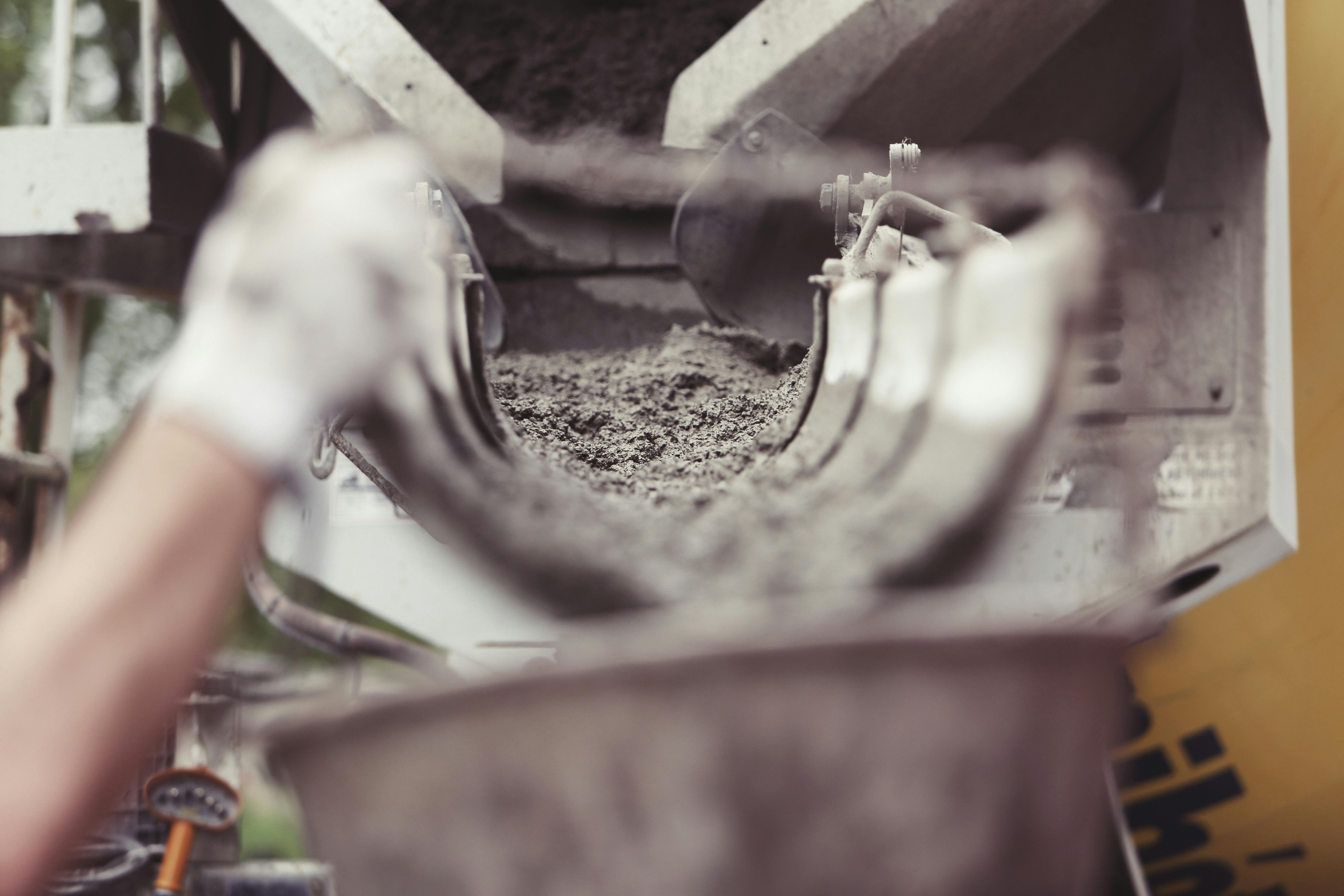
When we talk about climate solutions, the conversation usually circles the same familiar territories: solar panels, electric vehicles, and battery storage. These are important. But they leave one of the most stubborn, least glamorous sources of carbon emissions on the planet untouched: concrete.
Concrete is everywhere. It’s under your feet, over your head, and holding up the walls around you. It is, by some measures, the second-most-consumed substance on Earth after water. And cement, the key binding ingredient in concrete, is responsible for roughly 7% of global CO₂ emissions.
A company called CarbonCure Technologies, founded in 2007 and headquartered in Dartmouth, Nova Scotia, has spent nearly two decades developing a genuinely elegant solution to this problem. And lately, the rest of the world is starting to pay attention.
The Idea Is Deceptively Simple
Here’s what CarbonCure does: they retrofit existing concrete plants with a system that injects captured CO₂ into fresh concrete during the mixing process.
Once injected, the CO₂ doesn’t escape into the atmosphere. It reacts chemically with the concrete mix and forms a mineral permanently embedded in the material. It’s called carbon mineralization, and the result is concrete that has literally locked carbon inside it.
But here’s the part that sounds too good to be true: this process also makes the concrete stronger. Because the mineralization optimizes the mix, producers can actually use less cement to achieve the same structural performance. Less cement means lower costs. Lower costs mean the economics work without subsidies.
This is the rare climate solution that doesn’t ask anyone to sacrifice. The concrete producers save money. The buildings perform the same or better. And the planet gets a little less CO₂ in the atmosphere.
The Scale Is Starting to Match the Ambition
CarbonCure’s technology has now been deployed across more than 30 countries, with hundreds of systems operating at concrete plants around the world. The company hit a milestone in 2024: 500,000 metric tons of CO₂ savings from its technology. It’s a number that grows with every truckload of concrete mixed using its system.
Roughly five million truckloads of CarbonCure concrete have been poured into sustainable construction projects globally. That concrete is in foundations, walls, sidewalks, and parking structures across dozens of countries. The carbon isn’t going anywhere.
In 2023, the company raised an $80 million equity round, the largest venture capital round in Nova Scotia’s history. Total funding to date has reached roughly $169 million.
Why Concrete Is Such a Hard Problem — and Why That Makes CarbonCure So Interesting
The concrete industry is notoriously difficult to decarbonize. Unlike electricity generation, where you can swap fossil fuels for renewables, concrete’s emissions are largely embedded in the chemistry of cement production itself. You can’t just bolt a solar panel onto a cement kiln and call it a day.
Most proposed solutions require either entirely new materials (which face adoption barriers and certification hurdles) or carbon capture at the source (which is expensive and capital-intensive). What makes CarbonCure different is that it works within the existing system. Concrete producers don’t have to reinvent their operations — they get a retrofit that integrates into what they’re already doing.
This is sometimes called a “Trojan Horse” approach to decarbonization: instead of asking an industry to change, you give it a tool that makes the sustainable option the economically rational one. That’s a much harder product to resist.
The Carbon Credit Angle
CarbonCure has also built a parallel business around carbon credits. Because the CO₂ embedded in concrete is permanently mineralized and verifiable, the company can generate what the voluntary carbon market considers some of its highest-quality credits — “immediate, permanent and verifiable,” in the words of CarbonCure CEO Robert Niven.
This matters because the voluntary carbon market has been plagued by credibility issues. Low-quality offsets, ones that don’t represent real, permanent removal, have drawn justified skepticism. Concrete mineralization, by contrast, is measurable at the plant and durable for the life of the structure. It’s the kind of carbon removal that serious buyers (think large corporations with science-based climate targets) actually want.
The Bigger Picture
Buildings account for nearly 40% of annual global greenhouse gas emissions. The world’s building stock is expected to roughly double by 2060. This means we’ll construct as much built environment in the next 35 years as we have in all of human history. The embodied carbon in those buildings, the emissions from manufacturing their materials, will represent nearly half of all construction-related emissions over that period.
CarbonCure is one of a small number of companies trying to bend that curve. It won the $20 million NRG COSIA Carbon XPRIZE, has been named Cleantech Company of the Year by the Cleantech Group, and landed on CNBC’s Disruptor 50 list. The accolades are real, but they’re secondary to the underlying question: can you scale this fast enough to matter?
The company believes it can. With fresh capital, operations in 30+ countries, and a business model that aligns financial incentives with climate outcomes, CarbonCure has built something genuinely rare in the cleantech space: a decarbonization solution that the people deploying it actually want to use.
The Bottom Line
Climate tech tends to produce two kinds of companies: those that require the world to change in order for them to succeed, and those that quietly change the world by making sustainability the path of least resistance.
CarbonCure is the second kind. It doesn’t ask the construction industry to abandon cement, reinvent its supply chains, or accept higher costs for the sake of the planet. It walks into existing concrete plants, installs a piece of hardware, and makes the CO₂ problem disappear into the concrete itself.
That’s not magic. It’s chemistry. And it might be one of the most underrated climate stories of the decade.